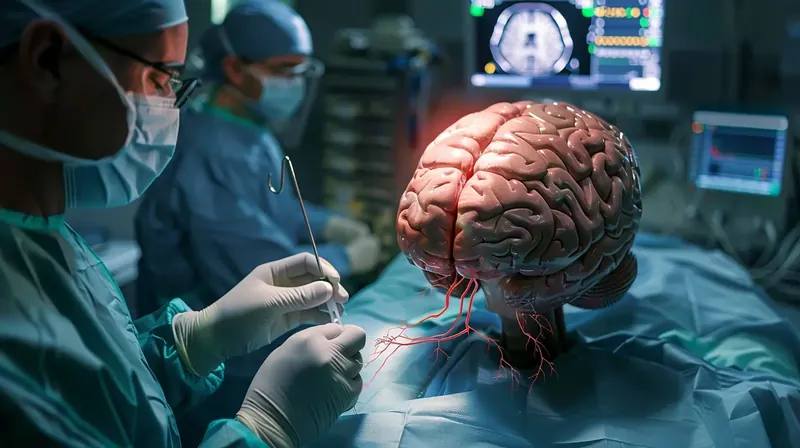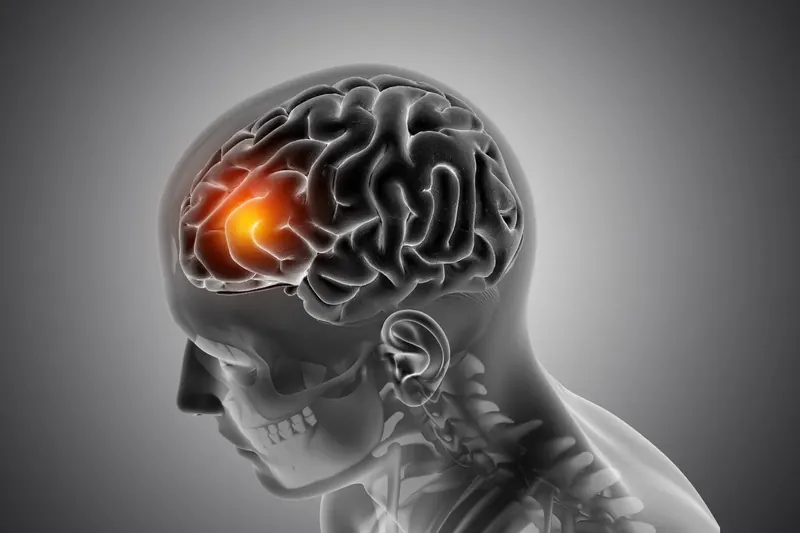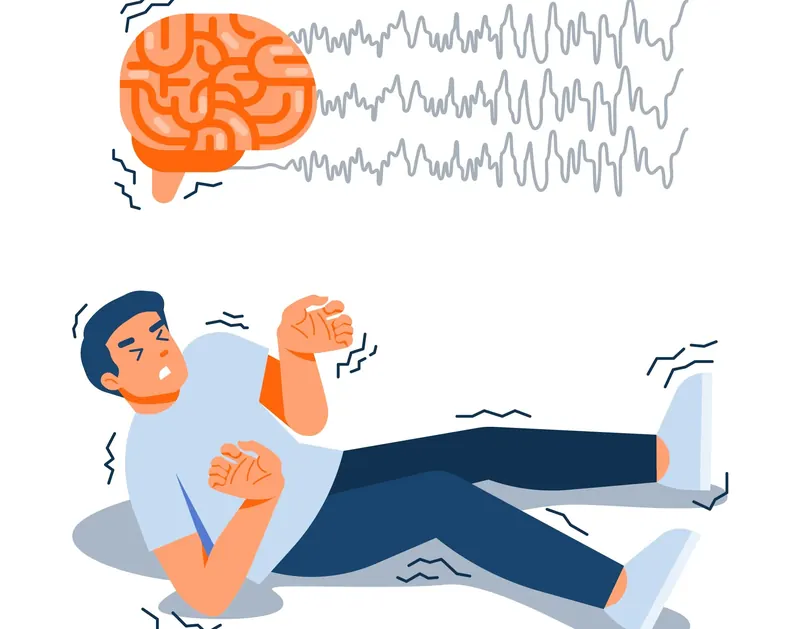

To treat a stroke, a potentially fatal disorder that seriously impairs the blood flow to the brain, surgery is a necessary step. If this ailment is not treated promptly, it might result in major problems, including brain damage. Stroke treatment in Indore is essential for stopping the disease's progression, reestablishing blood flow to the afflicted areas of the brain, and enhancing the results of rehabilitation. Dr. Abhishek Songara, an expert neuro doctor for stroke surgery in Indore, provides advance, individualized stroke treatment for the best possible outcome.
Causes of Stroke
A blockage or rupture of blood arteries in the brain is the main cause of stroke. Strokes come in two primary varieties:
- Ischemic Stroke: An ischemic stroke happens when a blood clot narrows or plugs an artery that supplies blood to the brain, so stopping the flow of blood. Stroke care specialist in Indore often recommend early intervention to clear the clot.
- Hemorrhagic Stroke: Blood vessels in the brain might break during a hemorrhagic stroke, causing bleeding and edema in the afflicted region. The best neurologist in Indore focuses on stopping the bleeding and controlling pressure in the brain.
Common Symptoms Include:
Recognizing stroke symptoms early can be life-saving. The following signs suggest you may be experiencing a stroke and should seek immediate medical attention:
- Sudden numbness or weakness: This occurs in the limbs or any other body part, such as the face, hand, or leg.
- Confusion or trouble speaking: When it comes to symptoms, problems with understanding or even producing words may also be experienced.
- Vision problems: Sudden loss of vision in one or both of the eyes.
- Trouble walking, such as having difficulty balancing and feeling dizzy or a problem walking.
- Severe headache: This is most often witnessed in hemorrhagic strokes.
If you or someone else experiences these symptoms, contact emergency services immediately to get stroke treatment in Indore and minimize potential brain damage.
Treatment of Stroke
Medications: Drugs such as tissue plasminogen activator (tPA) are used to break up clots and restore blood flow in cases of ischemic stroke. These medications are most effective when used in the initial hours following the onset of the stroke. Medication is used to decrease bleeding and lessen fluid buildup around the brain in cases of hemorrhagic stroke.
- Endovascular Procedures: To remove clots or dissolve them with a catheter, minimally invasive surgery is frequently advised. A catheter is inserted into the blood arteries that go from the groin to the brain during this surgery. This crucial choice is provided by stroke care specialist in Indore for patients requiring non-invasive treatment.
- Carotid Endarterectomy: Surgery may be required to remove plaque and enhance blood flow to the brain in situations when stroke is brought on by plaque accumulation in the carotid arteries, the main blood vessels in the neck. This crucial therapy option is managed by the best doctor for stroke treatment in Indore.
- Craniotomy: In some cases a hemorrhagic stroke may require a craniotomy surgery. This consists of the uncovering of a small part of the skull to allow the brain space to expand in case it is swelling or has bled.
- Stroke Rehabilitation: After surgery, rehabilitation is crucial for recovery. Stroke rehabilitation comprises occupational therapy, speech therapy, and physical therapy. Assisting the patient with regaining speech, mobility, and everyday life abilities is the aim.
Why Should he Trust Dr. Abhishek Songara for his Stroke Surgery?
Dr. Abhishek Songara is a highly skilled neurologist in Indore specializing in stroke treatment. Below are some reasons why Dr. Songara is the ideal choice for stroke surgery and recovery:
- Expertise in Stroke Surgery: Dr. Songara is renowned for his expertise in performing stroke surgery in Indore utilizing both conventional and less invasive surgical methods. His extensive knowledge improves stroke victims' chances of a full recovery and reduces brain damage.
- Advanced Treatment Techniques: Dr. Songara uses advanced techniques to treat stroke, including craniotomy, carotid endarterectomy, and endovascular operations. The goals of these therapies are to lessen the chance of irreversible brain injury and restore blood flow to the brain.
- Personalized Care: Every stroke case is different. Dr. Songara treats each patient as an individual from the time of diagnosis to the recuperation following surgery. As a prominent stroke care specialist in Indore he guarantees thorough treatment programs that are customized to meet each patient's unique requirements.
- Post-Treatment Support: Surgery is not the end of stroke recovery. Dr. Songara offers a great deal of assistance in the form of stroke rehabilitation in Indore, assisting patients in returning to their regular lives and abilities. He helps patients with physical therapy and speech therapy, among other aspects of their recovery.
- State-of-the-Art Facilities: Dr. Songara currently works at advanced health institutions that incorporate advance equipment in the diagnosis of stroke as well as in treating the disease. This can improve the quality of health care to be delivered to all patients to the highest level according to their needs.
FAQs Related to Stroke
What causes a stroke? A stroke can be caused by a blockage in the brain's blood vessels (ischemic stroke) or by a ruptured blood vessel causing bleeding in the brain (hemorrhagic stroke).
How do I know if I’m having a stroke? Common symptoms of a stroke include sudden numbness or weakness, especially on one side of the body, confusion, difficulty speaking, and vision problems. If you experience any of these symptoms, get emergency medical help immediately.
Can stroke be treated without surgery? Yes, many strokes, especially ischemic strokes, can be treated with medications to dissolve clots. However, in more severe cases, surgical intervention may be needed to restore blood flow or remove blood clots.
When is surgery required for a stroke? Surgery may be needed for hemorrhagic strokes to remove blood or relieve pressure on the brain. For ischemic strokes, surgery may be required to remove blood clots or plaque from arteries.
Why should I choose Dr. Abhishek Songara for stroke surgery in Indore? Dr. Abhishek Songara is a trusted neurosurgeon in Indore with expertise in treating strokes. He uses the latest techniques and provides personalized care to ensure the best possible recovery outcomes.
How can I prevent a stroke? Regular exercise, a healthy diet, controlling blood pressure, and avoiding smoking can help reduce the risk of stroke. Dr. Songara also provides guidance on prevention during post-treatment care for stroke patients.
How is stroke diagnosed?
Accurate diagnosis is the foundation of effective treatment. Dr. Songara begins with a detailed conversation about your symptoms, medical history and daily activities, followed by a careful clinical and neurological examination. Depending on the findings, further tests may be advised to confirm the diagnosis and plan treatment:
- MRI scan — detailed images of the brain, spinal cord, discs and nerves
- CT scan — useful for bone detail, trauma and acute bleeding
- X-rays — to assess spinal alignment, fractures and degeneration
- Nerve conduction studies / EMG — to assess nerve and muscle function where relevant
- Blood tests — to rule out infection, inflammation or other contributing factors
The goal is to reach a precise diagnosis with the fewest necessary investigations, so that treatment is targeted and appropriate.
Treatment options for stroke in Indore
Not every neurological or spinal condition needs surgery. Dr. Songara follows a step-wise approach, starting with the least invasive option that is appropriate for your condition, and reserving surgery for cases where it offers the clearest, most lasting benefit.
Non-surgical (conservative) care
For many patients, symptoms improve with a combination of medication, physiotherapy, activity modification, posture correction and lifestyle changes. This is often the first line of treatment and can be very effective, particularly when started early.
Minimally invasive procedures
When conservative care is not enough, image-guided injections and minimally invasive techniques may provide relief with less disruption than open surgery.
Surgery, when it is the right choice
Where surgery is genuinely needed, Dr. Songara uses advanced microscopic and endoscopic techniques. These approaches typically involve smaller incisions, less tissue disruption, reduced blood loss and, for many patients, a quicker return to normal activity compared with traditional open surgery. Every surgical plan is discussed openly, including its purpose, what it involves, expected recovery and possible risks, so you can make an informed decision.
When should you see a neurosurgeon for stroke?
Many people delay seeing a specialist, hoping symptoms will settle on their own. Mild, short-lived symptoms often do. However, certain warning signs suggest that the brain, spine or nerves need timely expert evaluation. Recognising these early can make treatment simpler and recovery smoother.
Consider consulting Dr. Abhishek Songara if you experience any of the following:
- Pain that is severe, persistent, or steadily getting worse despite rest and medication
- Numbness, tingling or weakness in the arms or legs
- Loss of balance, repeated falls, or difficulty walking
- Sudden, severe headache unlike any you have had before
- Changes in vision, speech, memory or consciousness
- Loss of bladder or bowel control (this is a medical emergency)
If you are unsure whether your symptoms need attention, a consultation is the safest first step. An accurate diagnosis prevents unnecessary worry and guides the right treatment.
Recovery and aftercare
Recovery depends on the specific condition, the treatment used and individual factors such as age and general health. Dr. Songara's team provides clear aftercare guidance and follow-up so you know what to expect at each stage. For most patients, recovery involves a gradual return to activity, guided physiotherapy where appropriate, and periodic review to confirm progress. Following the recommended plan closely gives the best chance of a good, lasting result.
What does stroke surgery cost in Indore?
The cost of treatment depends on the exact diagnosis, the technique required, the length of any hospital stay, and other individual factors. Because every patient is different, a reliable estimate can only be given after examination and review of your reports. Dr. Songara's team believes in transparent guidance — once your condition is assessed, you receive a clear explanation of the recommended treatment and its likely cost, with no hidden surprises. Please call +91-9893335689 to discuss your situation.
Why choose Dr. Abhishek Songara?
- MCh-qualified neurosurgeon with 20+ years of focused brain and spine practice
- Advanced microscopic & endoscopic techniques for precise, minimally invasive treatment
- Care at Shalby Hospital & CHL 114, Indore, with modern neurosurgical facilities
- Clear, honest guidance — including second opinions and realistic expectations
- Patient-first approach — your condition and options explained in plain language