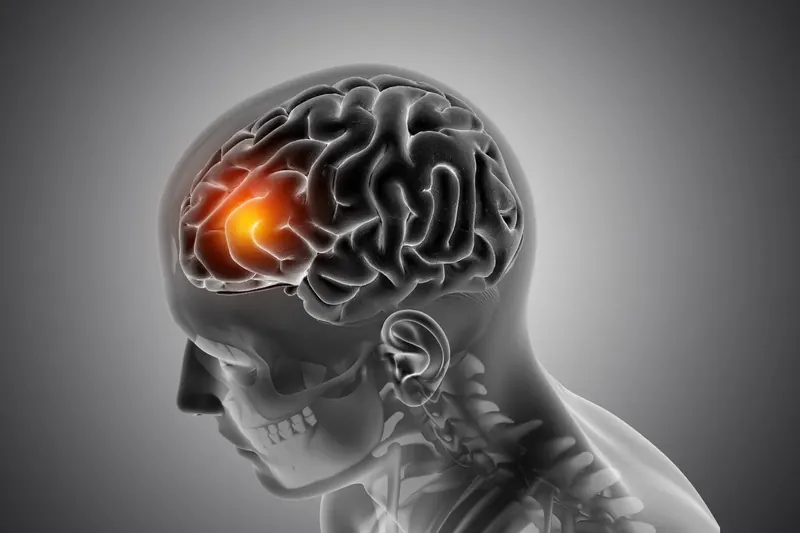
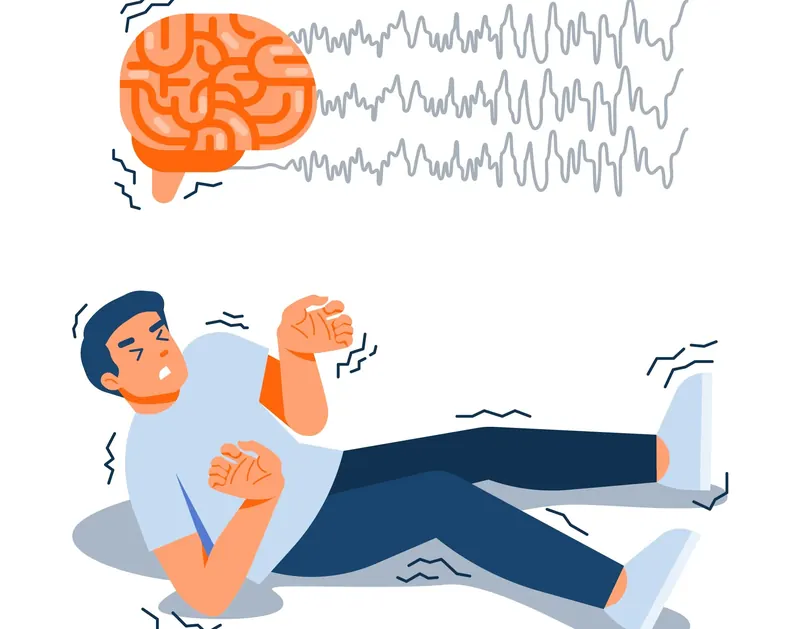
Unusual behavior or spontaneous seizures are symptoms of epilepsy, a persistent neurological illness that interferes with the brain's regular electrical activity. It affects people of any gender, nationality, or culture and can manifest at any age. Between one and two people out of every 1000 have epilepsy worldwide. Due to the impact of seizures on brain function, early diagnosis and accurate medical support are vital. For those seeking effective epilepsy care, Dr. Abhishek Songara, a trusted epilepsy specialist in Indore, offers personalized and advanced treatment plans designed to reduce seizure frequency and improve quality of life.
Types of Seizures
This team believes that epilepsy—which is characterized by seizures is triggered by abnormal functioning of the brain. Seizures are of two major categories:
- Generalized Seizures: The whole brain is impacted at once by this kind of seizure. A person may lose consciousness and suffer from abrupt muscular jerks, bodily stiffness, or convulsions. These convulsions frequently call for specialized seizure treatment in Indore for long-term management.
- Focal (Partial) Seizures: One particular area of the brain is the source of this seizure. A lack of consciousness may or may not be a part of it. Depending on the area affected, focal seizures might impair movement, vision, or coordination. Even short episodes, such as a simple partial seizure, may require monitoring by the best epilepsy doctor in Indore to prevent escalation.
Simple examples of complex and severe seizures include simple partial seizures rather brief, only lasting for a few seconds, and do not impair consciousness.
Diagnosis of Epilepsy
Epilepsy is diagnosed when a person has two or more seizures that originate in the brain but are not caused by an acute, provokable cause within a 24-hour period. A medical expert in the field of neurology, for instance, Dr. Abhishek Songara, will, therefore, take a medical assessment, and some of the following tests may be used to confirm the above diagnosis:
Management of Epilepsy
The treatment of epilepsy varies depending on characteristics such as the type of seizure and how often it occurs and the patient’s general condition. Management options include
- Medications: AEDs are the first line of treatment; however, the dose may be adjusted depending on the patient’s unique condition.
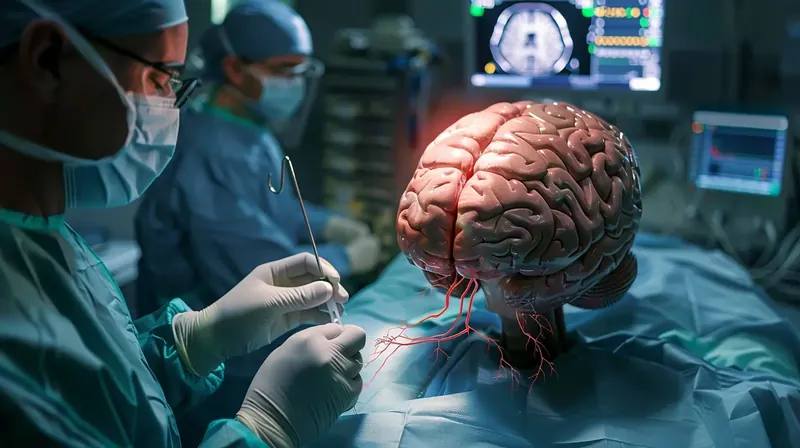
- Surgery: This is especially true for those patients who have severe epilepsy and failed the conventional medical treatment. Surgery in the case of epilepsy entails eradicating or resecting the part of the brain that produced the seizures.
- Vagus Nerve Stimulation (VNS): A mechanism used in the treatment of epileptic patients to regulate seizures through electrical stimulation to the brain.
- Lifestyle Modifications: These strategies include getting healthy sleep, reducing stress levels, avoiding seizure trigger factors, and following a proper diet in epilepsy.
Some patients must remain on treatment for their conditions throughout their lives, although most patients with epilepsy can become seizure-free and have substantial improvements in their quality of life. If you are having seizures or you think you might have epilepsy, seek the services of a neurologist in Indore to help with the diagnosis and treatment of the condition.
Symptoms of Epilepsy
Depending on the kind and location of the seizure, epilepsy symptoms might vary however, they may include:
- Abrupt rigidity of the muscles
- Arms and legs jerking
- Momentary bewilderment or a bewildered state.
- Absence of consciousness or periods of gazing
- Psychological symptoms like panic, anxiety, or terror
- Hallucinations or unusual sensations
- Mmomentary incapacity to communicate or comprehend speech
These symptoms can vary in intensity and duration. If any of these signs occur repeatedly, it is essential to seek immediate seizure treatment in Indore from a medical professional.
Causes of Epilepsy
Although the cause of epilepsy is hard to predict, some of the factors considered to be the root causes of the disease include:
- Predisposition to seizures: Some people are born with a hereditary propensity to have seizures.
- Trauma to the head: Epilepsy may result from brain damage caused by falls.
- Viral or parasitic infections: Brain infections caused by viruses or parasites in underdeveloped nations, meningitis, and neurocysticercosis are frequent causes.
- Brain tumor or stroke: Brain tumors and strokes can cause disruptions to normal brain activity and lead to bouts of epilepsy.
- Developmental disorders: Epilepsy is associated with developmental issues, including autism and neurodevelopmental delays.
- Injury sustained during pregnancy: Epilepsy may arise from brain damage brought on by an infection or oxygen shortage during delivery.
For accurate diagnosis and a customized approach to epilepsy treatment in Indore, consult Dr. Abhishek Songara, a well-regarded neurologist offering neuro treatment for epilepsy.
Treatment Options for Epilepsy
There are various treatments for epilepsy, with the recommended treatment depending on the form of epilepsy, the patient’s general health, and other contributing factors. Some of the available treatments that are used in the management of epilepsy include:
1. Medication: Anti-epileptic drugs (AEDs) are the cornerstone of epilepsy treatment in Indore. These medications regulate abnormal electrical signals in the brain. Common AEDs include:
- Valproic acid
- Lamotrigine
- Carbamazepine
The dosage and combination of these drugs are tailored to the patient’s seizure type and response. Many patients achieve long-term seizure control with proper medication under a skilled epilepsy doctor in Indore.
2. Surgical treatment: If one fails to improve after undergoing the medication treatment for the seizure disorder, there is the option of going for surgery. Common surgical treatments include:
- Resective surgery: Resection of the area on the brain that leads to seizures.
- Laser ablation: A surgical operation in which most of the brain tissue is left intact and only the perhaps offending section is removed.
- Vagus nerve stimulation (VNS): An electronic device that is placed in the body to control seizures through invigorating the color of the vagus nerve.
3. Complementary Therapy: At times, other treatments could be taken along with medicines:
- Ketogenic Diet: A popular diet that is high in fat and low in carbohydrates and that is believed to reduce the seizure frequency in children with epilepsy.
- Biofeedback and relaxation techniques: To diminish stress levels and, therefore, possibly lower the chance of having one or more seizures.
Long-Term Epilepsy Care
While some people eventually stop having seizures, others might need to take medicine for the rest of their lives. For ongoing success, periodic checkups and medication modifications are crucial. Neuro treatment for epilepsy in Indore involves consistent monitoring, lifestyle advice, and adjustment of treatment as needed.
FAQs Related to Epilepsy
What are the common treatment options for epilepsy? Epilepsy treatment typically involves anti-seizure medications (AEDs), surgical interventions, and complementary therapies such as the ketogenic diet or vagus nerve stimulation (VNS). Treatment plans are customized based on the type and frequency of seizures. For personalized care, call +91-9174400132 or +91-9893335689 to schedule a consultation.
How do I know if I need surgery for epilepsy? If your seizures do not respond to medication, surgery may be considered. Surgical options may include resective surgery, laser ablation, or vagus nerve stimulation. A thorough evaluation by a neurologist or neurosurgeon will help determine if surgery is necessary. Contact us at +91-9174400132 or +91-9893335689 to learn more.
Can epilepsy be cured? Currently, there is no known cure for epilepsy. However, many people with epilepsy can achieve seizure control through medication, surgery, or lifestyle modifications. Regular follow-ups with a neurologist can help manage symptoms. For expert care, call +91-9174400132 or +91-9893335689 .
When should I seek medical attention for a seizure? If a seizure lasts more than five minutes, or if there are persistent breathing issues or loss of consciousness after the seizure, immediate medical attention is required. Seek help from a neurologist or neurosurgeon to ensure proper treatment. Call +91-9174400132 or +91-9893335689 for urgent consultations.
Are there any lifestyle changes that can help control epilepsy? Yes, certain lifestyle changes like maintaining a regular sleep schedule, avoiding seizure triggers, managing stress, and adhering to a ketogenic diet (if recommended) can help manage epilepsy. For a customized treatment plan, contact a neurologist in Indore at +91-9174400132 or +91-9893335689 .
With early diagnosis and careful treatment, epilepsy is a treatable disorder. People with epilepsy can live happy, productive lives because to the many contemporary treatment choices available. Do not put off getting treatment if you or a loved one is experiencing unexplained seizures.
Visit Dr. Abhishek Songara, the best epilepsy doctor in Indore, for accurate diagnosis, advanced neuro treatment for epilepsy and compassionate care. Begin your journey toward improved health and effective seizure control with trusted epilepsy care in Indore today.
How is epilepsy diagnosed?
Accurate diagnosis is the foundation of effective treatment. Dr. Songara begins with a detailed conversation about your symptoms, medical history and daily activities, followed by a careful clinical and neurological examination. Depending on the findings, further tests may be advised to confirm the diagnosis and plan treatment:
- MRI scan — detailed images of the brain, spinal cord, discs and nerves
- CT scan — useful for bone detail, trauma and acute bleeding
- X-rays — to assess spinal alignment, fractures and degeneration
- Nerve conduction studies / EMG — to assess nerve and muscle function where relevant
- Blood tests — to rule out infection, inflammation or other contributing factors
The goal is to reach a precise diagnosis with the fewest necessary investigations, so that treatment is targeted and appropriate.
Treatment options for epilepsy in Indore
Not every neurological or spinal condition needs surgery. Dr. Songara follows a step-wise approach, starting with the least invasive option that is appropriate for your condition, and reserving surgery for cases where it offers the clearest, most lasting benefit.
Non-surgical (conservative) care
For many patients, symptoms improve with a combination of medication, physiotherapy, activity modification, posture correction and lifestyle changes. This is often the first line of treatment and can be very effective, particularly when started early.
Minimally invasive procedures
When conservative care is not enough, image-guided injections and minimally invasive techniques may provide relief with less disruption than open surgery.
Surgery, when it is the right choice
Where surgery is genuinely needed, Dr. Songara uses advanced microscopic and endoscopic techniques. These approaches typically involve smaller incisions, less tissue disruption, reduced blood loss and, for many patients, a quicker return to normal activity compared with traditional open surgery. Every surgical plan is discussed openly, including its purpose, what it involves, expected recovery and possible risks, so you can make an informed decision.
When should you see a neurosurgeon for epilepsy?
Many people delay seeing a specialist, hoping symptoms will settle on their own. Mild, short-lived symptoms often do. However, certain warning signs suggest that the brain, spine or nerves need timely expert evaluation. Recognising these early can make treatment simpler and recovery smoother.
Consider consulting Dr. Abhishek Songara if you experience any of the following:
- Pain that is severe, persistent, or steadily getting worse despite rest and medication
- Numbness, tingling or weakness in the arms or legs
- Loss of balance, repeated falls, or difficulty walking
- Sudden, severe headache unlike any you have had before
- Changes in vision, speech, memory or consciousness
- Loss of bladder or bowel control (this is a medical emergency)
If you are unsure whether your symptoms need attention, a consultation is the safest first step. An accurate diagnosis prevents unnecessary worry and guides the right treatment.
Recovery and aftercare
Recovery depends on the specific condition, the treatment used and individual factors such as age and general health. Dr. Songara's team provides clear aftercare guidance and follow-up so you know what to expect at each stage. For most patients, recovery involves a gradual return to activity, guided physiotherapy where appropriate, and periodic review to confirm progress. Following the recommended plan closely gives the best chance of a good, lasting result.
What does epilepsy treatment cost in Indore?
The cost of treatment depends on the exact diagnosis, the technique required, the length of any hospital stay, and other individual factors. Because every patient is different, a reliable estimate can only be given after examination and review of your reports. Dr. Songara's team believes in transparent guidance — once your condition is assessed, you receive a clear explanation of the recommended treatment and its likely cost, with no hidden surprises. Please call +91-9893335689 to discuss your situation.
Why choose Dr. Abhishek Songara?
- MCh-qualified neurosurgeon with 20+ years of focused brain and spine practice
- Advanced microscopic & endoscopic techniques for precise, minimally invasive treatment
- Care at Shalby Hospital & CHL 114, Indore, with modern neurosurgical facilities
- Clear, honest guidance — including second opinions and realistic expectations
- Patient-first approach — your condition and options explained in plain language