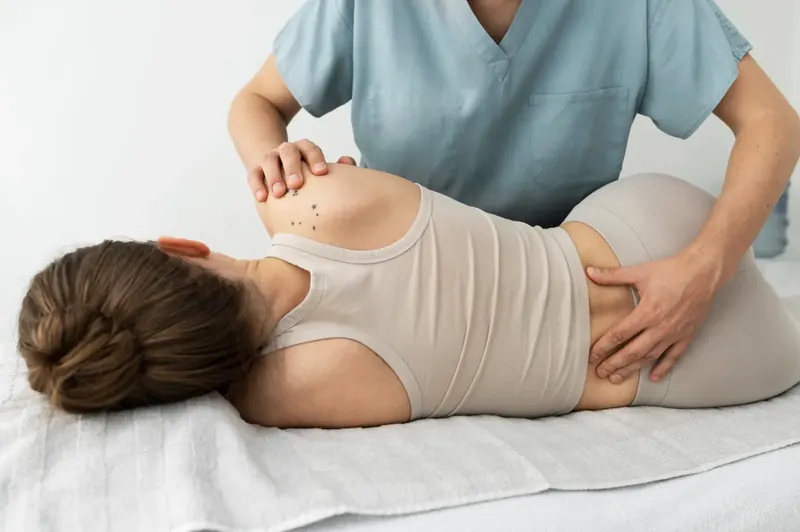
A herniated disc, often referred to as a slipped disc, is a common spinal condition that can be quite painful. It happens when the disc's inner core protrudes and presses against nearby nerves. Many body areas may experience discomfort, numbness, and weakness as a consequence, especially the back, legs, and neck. Dr. Abhishek Songara, a highly skilled neurologist in Indore, specializes in spine treatment and offers comprehensive care for those suffering from a slipped disc.
What is a Slipped Disc?
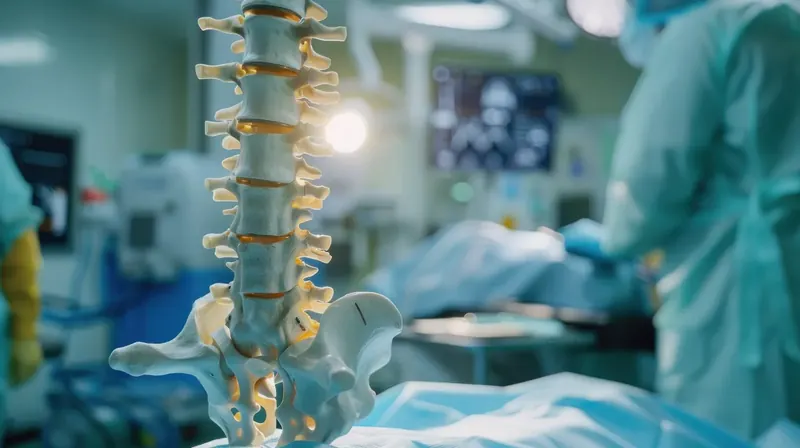
There are nerves in the spine, and the human spine is made of individual bones, which are called vertebrae, stacked one upon another in the vertebral column. Between the vertebrae are intervertebral discs, which are also called the intervertebral fibrocartilages or discs, and these prevent pressure buildup and also allow for flexibility in the spine. They include an outer ring that is referred to as the annulus fibrosus and an inner semi-fluid, gelatinous center referred to as the nucleus pulposus.
A slipped disc is one of the most common medical conditions whereby the nucleus is displaced through a hole in the annular wall. However, this hernia may exert direct pressure on the spinal nerves and in turn affect sensation and movement of the limbs, from pain to absence of sensation or weakness.
Causes of Slip Disc
Understanding the causes of a slipped disc is crucial for both prevention and effective treatment. Dr. Abhishek Songara, a renowned back pain doctor in Indore, helps identify the root causes of this condition and offers effective management plans:
- Age-Related Degeneration: The discs in our spine naturally become less supple and hydrated as we age. This raises the possibility of herniation and renders them more vulnerable to deterioration. Spine treatment in Indore is essential for controlling age-related changes in the spine and stopping further harm.
- Physical Trauma: Unusual strain on the spine from falls, accidents, or abrupt movements can result in disc herniation. Injuries of this kind may result in acute pain and, in certain situations, compression of the nerves.
- Repetitive Motion or Heavy Lifting: All those jobs that involve frequent bending or twisting or lifting postures bring about spine problems and disc prolapse.
- Sedentary Lifestyle: Lack of exercise leads to shrinking of some of the muscular groups referred to as the core muscles that are very vital in supporting the spine.
- Obesity: Obesity puts pressure on the discs and speeds up deterioration of the spinal disc material.
- Poor Posture: Sitting or standing in a wrong position for an extended period exerts pressure on the backbone.
- Smoking: Smoking hinders adequate oxygen supply in tissues surrounding spinal discs, making disc degeneration progress at a faster rate.
Symptoms of Slipped Disc
The symptoms of a slipped disc depend on the location of the herniation and the severity of nerve compression. Common symptoms include:
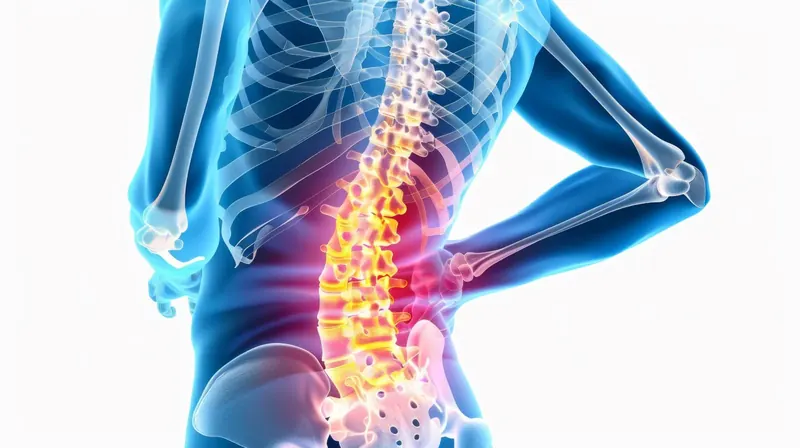
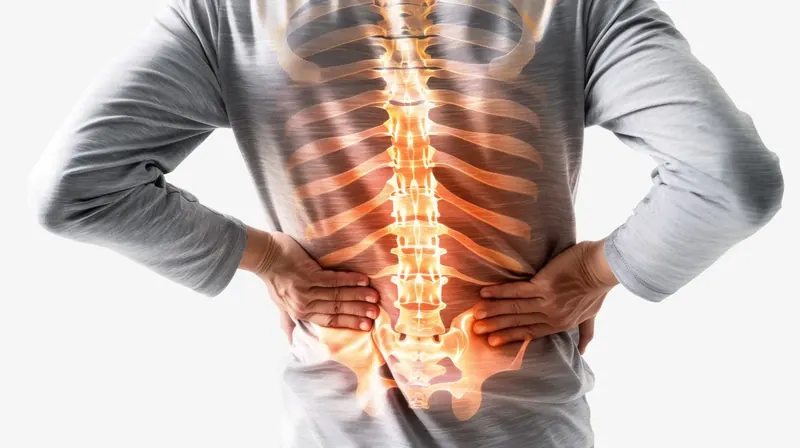
- Lower Back Pain: One of the most typical signs, particularly if the lumbar area of the spine is affected by the herniation. Certain postures or activities may make the discomfort worse, and it can range from moderate to severe.
- Sciatica: This describes severe, radial pain along the sciatic nerve's course, which extends from the lower back into the hips and legs. When a herniated disc presses on the sciatic nerve, sciatica frequently results.
- Neck Pain: When a cervical herniation happens, the neck may become painful and stiff, and the arms and shoulders may also experience this.
- Numbness or Tingling: The arms, legs, or feet may feel numb or tingly due to pressure on the nerves. Nerve compression brought on by a herniated disc is frequently linked to this symptom.
- Muscle Weakness: In extreme situations, muscular weakness in the regions controlled by the compressed nerves may result from a herniated disc. Daily activities and mobility may be impacted.
- Difficulty in Movement: A person's capacity to carry out daily tasks including walking, sitting, and lifting items may be restricted by pain and stiffness.
- Urinary and Fecal Incontinence: Rarely, bowel and bladder functions might become uncontrollable due to severe nerve compression, a condition known as cauda equina syndrome, necessitating rapid surgical intervention.
Diagnosis of Slip Disc
Determining the best course of treatment for a slipped disc requires an accurate diagnosis. Dr. Songara Abhishek, a top neurologist in Indore, uses advanced diagnostic tools to identify the cause of the condition and formulate a personalized treatment plan.
- Medical History: Your doctor shall consider your signs and symptoms, working activities, physical engagements, and injuries or illnesses.
- Physical Examination: A neurologist may examine reflexes, muscle strength, and how the patient reacts to certain stimuli to establish if the nerves are affected.
Imaging Tests
- MRI (Magnetic Resonance Imaging): That is the most dependable when it comes to diagnosing soft tissue injuries and disc herniation.
- CT Scan (Computed Tomography):When an MRI is neither practical or available, a CT scan may be utilized. It offers thorough pictures of the spine.
- X-ray: Although X-rays are unable to precisely identify a slipped disc, they can assist in ruling out other spinal disorders such tumors or fractures.
- EMG (Electromyography): Electromyography records the electrical potential of muscles to determine the overall functionality of nerves.
Treatment of Slip Disc
A slipped disc's course of therapy is determined by the patient's general health and the intensity of their symptoms. Dr. Abhishek Songara, a renowned back pain doctor in Indore provides a wide range of therapies, encompassing both conservative and surgical approaches.
Conservative Treatment
The majority of the patients will be cured by non-surgical management.
1. Rest Activities Avoidance: Reduction in movement that strains spinal muscles and keeping the back straight would help in the reduction of pressure on the spine.
- Non-steroidal anti-inflammatory drugs (NSAIDs): For pain and inflammation.
- Muscle Relaxants: For muscle spasms.
- Neuropathic Pain Medications: such as pregabalin or gabapentin.
- Steroids: Either orally or administered around the area of the spinal nerve.
Exercises that will be prescribed to build up the strength of muscles in the pelvis, abdomen , and back to increase lumbo pelvic stability and range of motion. Includes:
- Stretching routines
- Low-impact aerobic exercise
- Postural training
4. For treatment of various ailments:
Epidural Steroid Injections: It is a form of treatment, which means that it reduces the inflammation of the affected nerve for some time.
5. Ideas on the Application of Heat and Cold Therapy: Ways and methods of using ice packs and hot bags for pain relief.
Surgical Treatment
Surgery is, however, done only when other approaches do not work or when there is a deterioration of neurological symptoms.
- Discectomy: Surgical procedure in which the bulge of the disc that is putting pressure on the nerve is removed.
- Microdiscectomy: Smaller incisions and the use of surgical microscopes, as is the case with microdiscectomy.
- Laminectomy: Surgical procedure where a part of the vertebra, the lamina, is taken out to create more space within the spinal canal.
- Spinal Fusion: Here two or more have been joined together in to form a stable structure.
- Artificial Disc Replacement: Spinal mobility is maintained after the disc is injured by replacing it with an artificial disc.
Why Should You Go to Dr. Abhishek Songara for Your Slipped Disc?
Choosing the right doctor for slipped disc treatment in Indore is crucial to achieving the best outcome. Dr. Abhishek Songara stands out as a leading back pain doctor for several reasons:
- Background knowledge and specialization: The expert to be considered in this track is Dr. Abhishek Songara, a medical doctor with specialization in neurosurgery and proficiency in spinal surgery. Thus, he has vast experience in the management of spinal conditions such as herniated discs.
- Diagnostic Services : His clinic and the hospitals associated with him are equipped with various modern diagnostic equipment like MRIs and sophisticated neurodiagnostic laboratories.
- Minimally Invasive: The Carolina Neurosurgical Clinic is equipped with equipment for minimally invasive surgeries that can be completed in a shorter period and cause little to no pain to the patient afterwards.
- Patient-centered care: He encourages the involvement of patients in health care decisions as well as individualized patient treatment.
A slipped disc is a health complication that has adverse consequences on the lives of those patients who suffer from the ailment. It is also important that the disease is diagnosed early and treated well and that proper care is taken to avoid complications. In any case, getting in touch with a competent neurosurgeon such as Dr. Abhishek Songara is always of great value. Thus, thanks to his splendid clinical experience, individual approach towards patients, and availability of various modern technologies, patients receive the complete treatment for any kind of disc problems.
FAQs Related to Slip Disc
What causes a slipped disc? A slipped disc is mainly caused by age-related disc degeneration, poor posture, or heavy lifting. According to Dr. Abhishek Songara, leading neurologist in Indore, spinal wear and tear is the primary trigger.
Can a slipped disc heal without surgery? Yes, over 90% of slipped disc cases recover with non-surgical treatment, including physiotherapy, medications, and rest, as per Dr. Songara’s treatment protocol.
When should I see a doctor for a slipped disc? If you experience persistent back pain, leg numbness, or weakness, consult Dr. Abhishek Songara immediately. Delayed care can worsen nerve compression.
Is surgery necessary for all slipped disc patients? No, surgery is only required for severe cases with neurological symptoms. Most patients under Dr. Abhishek Songara's care recover with conservative slip disc treatment in Indore.
How is slip disc diagnosed?
Accurate diagnosis is the foundation of effective treatment. Dr. Songara begins with a detailed conversation about your symptoms, medical history and daily activities, followed by a careful clinical and neurological examination. Depending on the findings, further tests may be advised to confirm the diagnosis and plan treatment:
- MRI scan — detailed images of the brain, spinal cord, discs and nerves
- CT scan — useful for bone detail, trauma and acute bleeding
- X-rays — to assess spinal alignment, fractures and degeneration
- Nerve conduction studies / EMG — to assess nerve and muscle function where relevant
- Blood tests — to rule out infection, inflammation or other contributing factors
The goal is to reach a precise diagnosis with the fewest necessary investigations, so that treatment is targeted and appropriate.
Treatment options for slip disc in Indore
Not every neurological or spinal condition needs surgery. Dr. Songara follows a step-wise approach, starting with the least invasive option that is appropriate for your condition, and reserving surgery for cases where it offers the clearest, most lasting benefit.
Non-surgical (conservative) care
For many patients, symptoms improve with a combination of medication, physiotherapy, activity modification, posture correction and lifestyle changes. This is often the first line of treatment and can be very effective, particularly when started early.
Minimally invasive procedures
When conservative care is not enough, image-guided injections and minimally invasive techniques may provide relief with less disruption than open surgery.
Surgery, when it is the right choice
Where surgery is genuinely needed, Dr. Songara uses advanced microscopic and endoscopic techniques. These approaches typically involve smaller incisions, less tissue disruption, reduced blood loss and, for many patients, a quicker return to normal activity compared with traditional open surgery. Every surgical plan is discussed openly, including its purpose, what it involves, expected recovery and possible risks, so you can make an informed decision.
When should you see a neurosurgeon for slip disc?
Many people delay seeing a specialist, hoping symptoms will settle on their own. Mild, short-lived symptoms often do. However, certain warning signs suggest that the brain, spine or nerves need timely expert evaluation. Recognising these early can make treatment simpler and recovery smoother.
Consider consulting Dr. Abhishek Songara if you experience any of the following:
- Pain that is severe, persistent, or steadily getting worse despite rest and medication
- Numbness, tingling or weakness in the arms or legs
- Loss of balance, repeated falls, or difficulty walking
- Sudden, severe headache unlike any you have had before
- Changes in vision, speech, memory or consciousness
- Loss of bladder or bowel control (this is a medical emergency)
If you are unsure whether your symptoms need attention, a consultation is the safest first step. An accurate diagnosis prevents unnecessary worry and guides the right treatment.
Recovery and aftercare
Recovery depends on the specific condition, the treatment used and individual factors such as age and general health. Dr. Songara's team provides clear aftercare guidance and follow-up so you know what to expect at each stage. For most patients, recovery involves a gradual return to activity, guided physiotherapy where appropriate, and periodic review to confirm progress. Following the recommended plan closely gives the best chance of a good, lasting result.
What does slip disc treatment cost in Indore?
The cost of treatment depends on the exact diagnosis, the technique required, the length of any hospital stay, and other individual factors. Because every patient is different, a reliable estimate can only be given after examination and review of your reports. Dr. Songara's team believes in transparent guidance — once your condition is assessed, you receive a clear explanation of the recommended treatment and its likely cost, with no hidden surprises. Please call +91-9893335689 to discuss your situation.
Why choose Dr. Abhishek Songara?
- MCh-qualified neurosurgeon with 20+ years of focused brain and spine practice
- Advanced microscopic & endoscopic techniques for precise, minimally invasive treatment
- Care at Shalby Hospital & CHL 114, Indore, with modern neurosurgical facilities
- Clear, honest guidance — including second opinions and realistic expectations
- Patient-first approach — your condition and options explained in plain language